
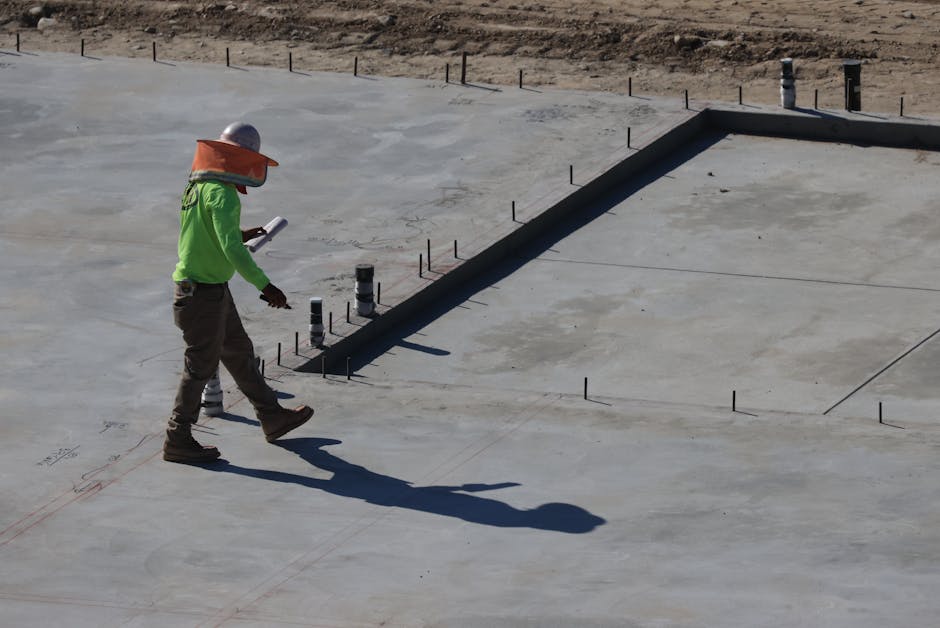
You notice the telltale signs in the corner of your kitchen: the carpet edge feels damp, the water bill spikes without new habits, and at night you hear a faint hissing underfoot. Those are the kinds of symptoms Apple Valley homeowners see with hidden slab leaks — small at first, but able to worsen quickly in shifting desert soil.
1. Meter check and house shutoff — quick, free, and decisive
What it is: A rising water meter when nothing in the house is running usually means a leak somewhere on the customer side of the meter. The house shutoff stops water to all fixtures so you can localize the leak.
How you recognize it: Read your water meter, don’t run any water for 30 minutes, then read it again. If the dial or digital counter moved, you have a continuous leak. Also check for steady leak indicator flags on many meters (a small triangular spinner).
Fix and parts: This is a diagnostic step; fixing can range from closing a leaking shutoff valve to calling a plumber. The main parts involved are the main house shutoff valve (ball or gate valve) and the meter.
2. Fixtures and appliance checks — easy DIY checks (aerators, supply lines, P-traps)
What it is: Many perceived slab leaks turn out to be dripping fixtures, loose supply hoses, or a leaking P-trap under a sink. In Apple Valley, hard water can clog aerators and hide slow drips that become noticeable at night.
How you recognize it: Check toilets for phantom flushes (food coloring in the tank will show slow leaks into the bowl in 15–30 minutes). Inspect faucet aerators and hose connections behind dishwashers and refrigerators. Look under sinks at the P-trap and supply connectors for pooling water or mineral crust. A leaking faucet cartridge or a deteriorated braided supply hose is visible and often handheld.
3. Water heater and hot-water supply — sediment, dip tube, and thermostatic mixing valves
What it is: Low hot-water pressure or wet floors near the heater can come from a failing dip tube, leaking tank, faulty temperature-and-pressure (T&P) relief valve, or a loose drain connection. In slab homes, many hot-water lines run under the slab and leaks may show as warm damp spots.
How you recognize it: Check the water heater area for puddles, rusty staining, or a dripping T&P valve. Low hot-water flow at multiple fixtures suggests a heater issue rather than a single fixture. Tank water heaters usually last 8–12 years; tankless units around 15–20 years.
If the tank itself is leaking, replacement is recommended rather than repair.
4. Main drain and sewer line checks — cleanouts, slow drains, and root intrusion
What it is: A slow or gurgling main drain, wet spots near the cleanout, or sewage odor point to a sewer problem rather than a pressurized slab water line. In the High Desert, older homes may still have clay or cast-iron laterals that crack or belly and allow water to collect under the slab.
How you recognize it: Check the exterior cleanout plug — backwet soil, sewage smell, or standing water near it are red flags. Slow drainage in multiple fixtures, especially toilets and floor drains, suggests a mainline issue. A sewer camera inspection reveals roots, bellies, or cracks.
5. Slab-specific leaks — electronic leak detection and pressure testing
What it is: A true slab leak is a pressurized water pipe leaking under the concrete slab foundation. In Apple Valley the combination of hard water and shifting desert soil increases the risk: pipes that rub against concrete, copper corrosion from aggressive water, and soil movement creating stress points.
How you recognize it: Warm or damp spots on the floor, sound of running water under the slab at night, mildew smell, or a rapid unexplained increase in the water bill. A common test: turn off all water, then listen with a mechanic’s stethoscope near suspected areas; a continuous hissing or hammering sound is suggestive but not definitive.
Fix and parts: Electronic leak detection uses acoustic listening devices and pressure testing to pinpoint the leak. These are pro-only methods because they require specialized gear and knowledge of line layouts. Once located, repair options include slab cut and pipe replacement (copper or PEX under slab) or rerouting to surface-mounted lines. Using PEX for replacements can reduce material and labor costs; copper repairs may be pricier but sometimes preferred for durability.
6. Corroded or galvanized supply lines and older materials — when replacement is the only fix
What it is: Older homes may have galvanized steel or cast-iron systems that corrode internally. Corrosion causes pinhole leaks and pressure loss, often in multiple spots as the system ages.
How you recognize it: Flaking rust in aerators, brownish water, or pressure loss across many fixtures. Galvanized lines commonly fail after 40–60 years; cast iron drains can last 50–75 years but develop cracks and root invasion.
Fix and parts: Re-piping portions of the house with copper or PEX is the long-term fix. High Desert factors that raise cost: slab foundations (need for slab cuts), and remote properties where access and hauling concrete out increases labor.
7. Hidden gas or sewage hazards — why these are pro-only and urgent
What it is: Leaks involving gas appliances or sewage breaches are dangerous and not DIY. Gas leaks risk fire and poisoning; sewage leaks carry biohazard and structural risks.
How you recognize it: Sulfur or rotten-egg odor, persistent sewer smell, visible sewage backup in fixtures, or hissing near gas lines and meters. Do not try to chase a gas leak or open sewer lines. Evacuate if you smell gas and call the gas utility immediately.
Fix and parts: Licensed plumbers and gas fitters handle gas line repairs, and sewer repairs often require confined-space entry, heavy excavation, or lining equipment. Costs vary: gas line repairs can be a few hundred dollars for a small fix to several thousand for replacement; sewer emergency work is typically in the high hundreds to thousands, depending on severity and access.
Urgency: what can wait, what needs same-week attention, and interim steps
Can wait a week: A slow drip from a faucet with no other signs of water damage, minor mineral staining with no soft flooring, or an intermittently noisy plumbing line that does not change your meter reading.
Same-week attention: An unexplained steady meter movement, warm damp spots on slab floors, visible pooling, mildew smell, or a sudden spike in water usage. These suggest active water under the slab or in wall cavities and can cause foundation or flooring damage within days to weeks, especially in homes on shifting desert soils.
Immediate action (shut off now): If you see standing water, wet drywall, collapsing flooring, or rapid meter movement, shut off the main house valve and the water at the meter if safe to do so. Know where your main shutoff is (meter box or near the foundation) and have a wrench or ball-valve handle accessible. For gas smells, leave the house and call the gas utility—do not operate electrical switches.
When to call a pro: a clear escalation trigger
If the free checks above don’t stop the meter from running, if you have warm or damp spots on the floor, a mildew or sewer smell, visible floor or drywall damage, or if you suspect a pressurized slab leak, call a licensed plumber for electronic leak detection and a written estimate. In the High Desert, early detection matters because shifting soils magnify damage. Pro Integrity Plumbing provides leak detection, sewer camera work, and slab repair investigations; call or text (760) 553-4883 or visit our shop at 13630 Pawnee Rd #4, Apple Valley for a free estimate and a written price before work starts.
Want the leak found without guesswork? See our plumbing services, including electronic leak detection, or request a free written estimate.